Book Review: 'The Power of Reading'
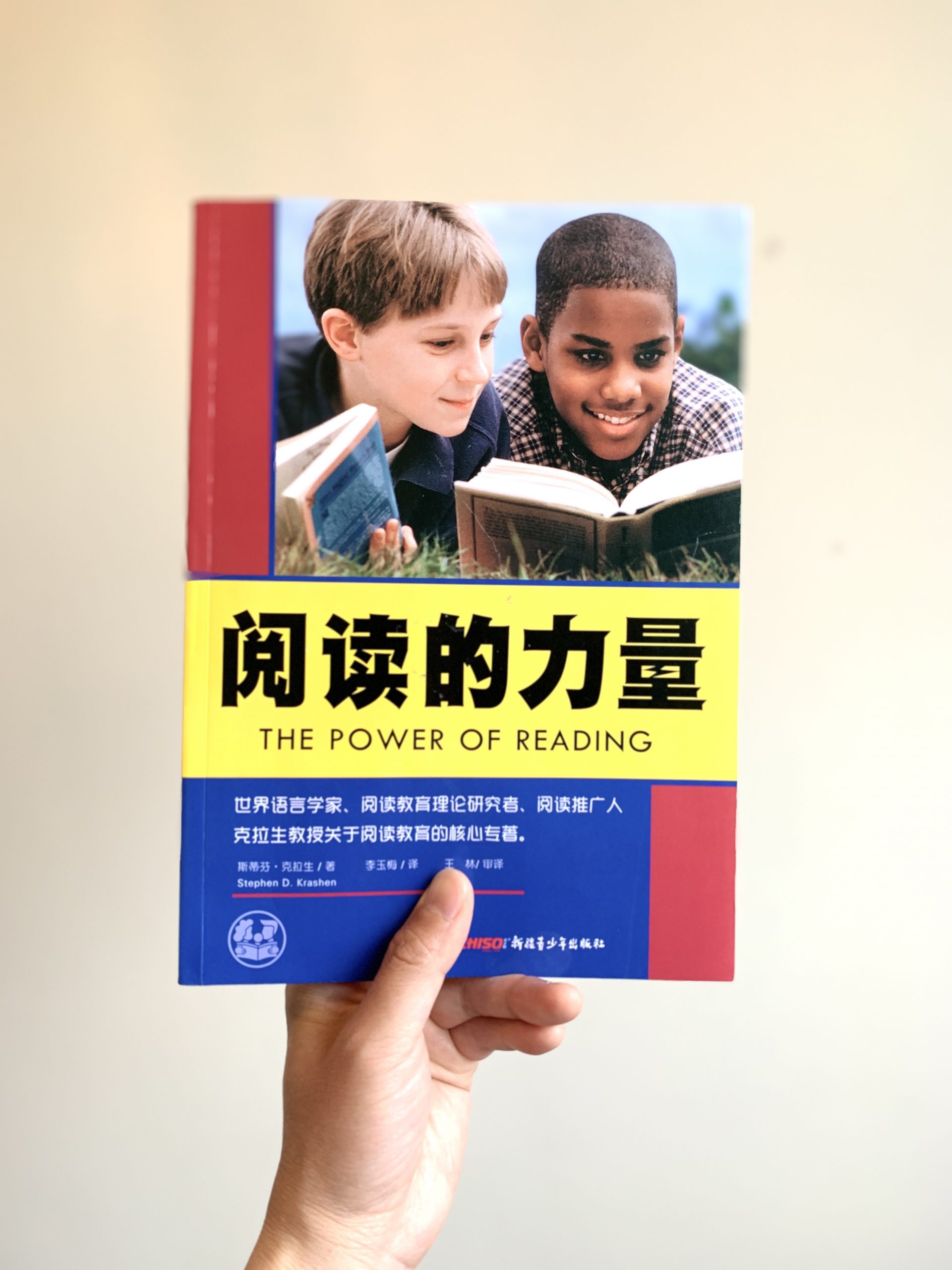
Thankfully, both my kids, a 12-year-old daughter and a 7-year-old son, love to read. Sometimes they’re so absorbed in it that we have to limit their reading time to protect their eyesight.
Occasionally, friends ask me how I get my kids into reading. Their kids prefer video games and short videos. I say “occasionally” because most of my friends are Christians, and almost all their kids like to read.
After reading ‘The Power of Reading’ recommended by Teacher Guo Chuyang, I’ve got a clearer idea of what we’ve done right in encouraging our kids to read.
In ‘The Power of Reading,’ the “reading” it talks about is Free Voluntary Reading (FVR), meaning reading purely out of interest—no book reports or end-of-chapter questions. If you don’t like a book, move on to another.
Read whatever interests you? Comics, novels, magazines—they’re all okay? According to the author, yes. This challenges my belief that only “serious” books matter. In my view, comics, novels, and magazines are just for relaxation, not for improving reading skills or culture. But the author, citing experiments and studies, argues these “light reads” spark interest and build skills, eventually leading readers to deeper, more challenging texts.
Looking at my son’s reading journey, I agree. My 7-year-old, influenced by his sister, moved from picture books to full-text reading. His “light reads” were the ‘Harry Potter’ books, which his sister often read and talked about. Sparking interest through fun books encapsulates FVR.
A good reading environment is crucial too. The author says to “create opportunities to be close to books.” We’ve maintained a well-stocked home library, clean bookshelves, ample light, and comfy seating. Beyond this, we’ve added two rules: no TV at home, and strict limits on iPhone/iPad use. When our daughter was in first grade, the school principal, Ms. C, advised parents to keep kids away from video games and intense media. Though we don’t watch TV, Sunday night is always family movie night.
Beyond the environment, the influence of “peers” is important. Classmates and friends can nudge kids to read certain books. Besides peers, parental influence is huge. If parents don’t read and are stuck to games or phones, it’s hard to imagine kids will love reading.
Should you reward your child’s reading? No! The joy of reading is the reward. I agree—reading to get a reward makes it just a means to an end, killing the interest.
The author also discusses the link between reading and writing. Surprisingly, writing style isn’t shaped by writing experience but by reading. Reflecting on my own style (if I have one), I think I’m influenced by the CUV Bible’s plain, short sentences and lack of flowery language.
Reading has power. Even non-readers probably believe this. In ‘The Power of Reading,’ Stephen Krashen cites over 300 sources to show that reading freely out of interest empowers both us and our kids.